Last year, we have been blessed with volunteer sprouts from the compost. After watching them every day to see what they would grow into, touching the plants helped me to identify that infamous tomato plant smell on my hands. I had never planted tomatoes in the garden area because it was located close to a Black Walnut Tree and that was a no-no in the garden world. Black walnut trees secrete a chemical that is toxic to tomatoes, so they either grow just a little or do not grow at all. But here in our little garden oasis, we had 10-15 tomato sprouts! Right under a black walnut tree!
This year, we were blessed with even more tomato sprouts! I counted 15-20+ tomato plants just in the garden. Plus, my husband spread compost in some areas of the yard and the tomatoes were growing there also!
While this might not come as a surprise to most seasoned gardeners, I find the little tomato sprouts a huge blessing every year. In the early summer months, I check every morning for little tomato sprouts. I am always amazed where they grow. I have transplanted them into the garden and thinned out a grouping of 10 plants to spread throughout the garden.
The tomatoes have grown very well in the garden cage, underneath the black walnut tree. They have even grown better than the tomatoes in the container garden in front of the house. Some say it is all about the soil. Other says it is about the location. I say, it is about little blessings! One gardener grows some things well and another gardener grows other things well. That is what it is all about! We grow what we grow well and we share.
Showing posts with label plants. Show all posts
Thursday, August 20, 2015
Sunday, May 31, 2015
LED Grow Light for Plants [Review]
GrowHobby LED Grow Light
Rating: total green check marks out of 5.
The Good
|
The Not So Good
|
Solid metal construction
|
Requires a bulb socket
|
Effective at helping seeds germinate and plants grow
| |
Energy-efficient (uses 12 watts)
| |
Does not require replacement bulbs
|
GrowHobby LED Grow Light is basically a big light bulb with small LED lights made from German imported osram chipsets. The body is made from solid (thick) oxidized aluminum casing. The casing design looks a lot like a fan blade on a jet engine and allows for better heat distribution so that the plants do not get burned and you do not have to use heat sinks or fans. The construction of the LED Grow Light is solid and high quality. My husband, who is a Mechanical Engineer, appreciated the high quality design.
The Grow Light is very energy-efficient, requiring only 12 watts to use with an 800 lumens output. The Grow Light does not need replacing. The company states that it should last for more than 50,000 hours. I did a little calculation: if you use the Grow Light for 12 hours a day, it should last for almost 12 years! That's a very long time and definitely worth the investment!
Benefits of a Grow Light
- Easily bring a dull plant back to life
- Perfect for seedlings, cuttings or cloning, and germinating
- Suitable for all phases of plant growth (not enough power for full fruiting)
- Fits nicely inside small spaces without damaging heat build up
- Smart LED technology means no mercury
- No need to replace burnt bulbs
- Perfect for herbs, indoor plants, leafy vegetables, small fruiting plants, orchids, terrariums, hydroponic systems, aquarium plants and the like
In the breezeway, I placed the seedlings on the table and weaved the Grow Light in the hanging light socket around the hook that was installed in the wooden beam on the ceiling. The LED Grow Light does have some weight to it, but the small hook held up the Grow Light and the hanging light socket well. The LED Grow Light was on for about 6 hours a day on the days that were cloudy or rainy.
Results: I am glad that I ordered the hanging light socket separately because it has given me freedom to put the seedlings and the light exactly where I want. I can move the LED Grow Light to exactly where I need it. In the past, I have had limited success with winter sowing because the plants ends up getting too leggy and flop over. Using the LED Grow Light, I felt like they did not get as leggy and grew more leaves.
I also used the LED Grow Light for a Purple Passion plant that did not overwinter well on my bay window and was not doing much better in the sunny breezeway. The LED Grow Light seems to have helped it to start growing leaves again, so I look forward to it coming back stronger and fuller.
I recommend this product for a gardener of any level. Though the initial investment is significant, remember that this LED Grow Light should last you for a very long time.
Disclosure: I received some of the products to facilitate this review. No other compensation was received. All opinions are my own and are honest.
|
Labels:
eco-friendly,
environment,
garden,
gardening,
home,
outside activities,
plants,
review
Thursday, July 31, 2014
Garden: A Surprise Visitor or Ten!
This year, I left a path so that I could get to the back of the garden cage. The seeds in the compost that my husband added decided to sprout and bless us with about 10 tomato plants. The tomato plants are growing in random spots: at the entrance, in the middle of the carrot rows, and of course, in the path that I left for myself.
Nonetheless, I am thrilled! I have avoided planting tomatoes in the garden because of the black walnut tree right beside the garden. The black walnut tree gives off a chemical that is toxic to some plants, including tomatoes. When I discovered tomato seedlings in the garden, I thought it would be a great experiment to see if tomatoes would actually grow.
Today, there are about 10+ tomatoes, 4 different varieties, growing on about 6 plants that have grown enough to put out blossoms. I have identified them as heirloom tomatoes that we received from last year's organic CSA and some seeds from our homegrown tomatoes.
Here are some photos of the garden cage (lots of critters around here) and the herb garden that desperately needs to be harvested. Also, excuse the wilted plants, it was a hot day and I had not watered yet.
>> Do you have a garden?? How is it doing this year??
Labels:
compost,
eating,
eco-friendly,
economic,
food,
garden,
gardening,
green,
green living,
healthy,
home,
house,
motivation,
plants,
vegetables,
work,
yard
Wednesday, July 30, 2014
Ark Survival Seeds: Heirloom Non-GMO Seeds [Review]
Rating: total green check marks out of 5.
The Good
|
The Not So Good
|
Heirloom, non-hybrid
| |
Non-GMO
| |
Chemical-free
| |
Extended life breathable paper storage
|
One of the first things I noticed is that the packaging is made from paper. Paper storage for seeds is preferred because it is breathable and prevents moisture from accumulating. Ark Survival Seeds are stored in individual paper packets within the larger resealable paper bag. I store seeds that I will use in the near future in the fridge and seeds that I store for self-reliance needs in the freezer (they will keep longer this way).
Since the growing season is already under way, sowing the seeds would not have been prudent. I do plan on sowing the cold weather crop seeds in a few weeks. These include: radishes, beets and lettuce. I will sow the Ark Survival Seeds directly in the ground, following the instructions that are indicated on each seed packet.
I love the variety of vegetables that I can grow with Ark Survival Seeds. If my family had to grow our own produce (without the option of going to the grocery store), Ark Survival Seeds offer a great variety that will keep us satisfied and also offer options for canning and saving seeds. I would feel confident to save the seeds are they are non-GMO, non-hybrid and GMO. The open pollination keeps the seeds true to the original ones and offers us the best option for high quality vegetables.
I plan on starting some of the seeds indoors during the winter months and then transplanting to the garden. I will also add some of the seed packets to my long-term self-reliance storage. Ark Survival Seeds are an affordable and high quality option for growing your own food or adding to your long-term food storage. The sampler pack is perfect for the beginner gardener or a master gardener.
Disclosure: I received one or more of the products mentioned above for free using Tomoson.com. Regardless, I only recommend products or services I use personally and believe will be good for my readers. All opinions are my own.
|
Labels:
eating,
eco-friendly,
economic,
emergency preparedness,
environmental impact,
food,
garden,
gardening,
GMO,
green living,
healthy,
home,
organic,
plants,
produce,
review,
sustainable,
vegetables,
yard
Tuesday, June 10, 2014
Garden: Lots of Rain, Lots of Growth [#CTWW]
This week's challenge:
This week, plant something edible. Plant in a garden, raised bed, a container, etc. If you don't have space outside, consider herbs or lettuce in a small pot placed in a kitchen window. Try placing some seed potatoes in the ground (dig a small hole and drop them in) ... then sit back and watch them grow. If you're moving into autumn, consider planting a fruit tree or perhaps a nut tree. The idea this week is to plant food.
In previous years, things tended to overgrow and crowd each other. This year, I tried to space out plants farther apart to give them more room to grow. Some plants were started from seed sowed directly in the ground, other were purchased as plants from a local nursery. The salad greens and kale have loved the rain. Looks like I will be cooking with lots of kale in the coming weeks.
Sugar snap peas were sowed about 2 weeks apart and are growing nicely up the back chicken wire fencing.
My husband added our compost to the garden. This means you never know what will reseed itself. I found about 10 small tomato plants growing in the garden. I left them in there (which didn't help the crowding issue) to see how they would do. The black walnut tree next to the garden is supposed to secrete a chemical that is toxic to tomato plants, which is why I have the tomato container garden in front of the house.
Container Garden
Tomatoes! Tomatoes! And basil thrown in for companion planting. I acquired a few more pots to increase the number of plants I can plant.
Berry Bushes
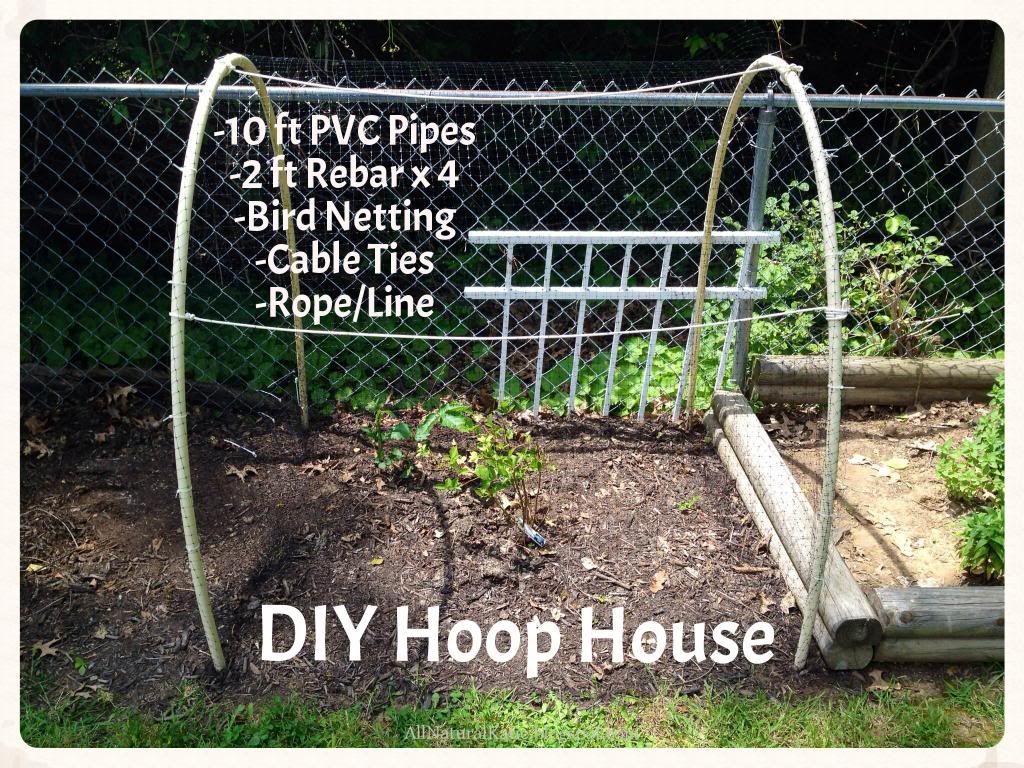
I have a blackberry bush and a blueberry bush (planted last year). Critters have been munching on the leaves of each, so I am in the process of creating fencing for both. I created an arch/hoop system for the blueberry with 10ft PVC pining, held in place by 2ft rebar, covered with bird netting.
Edible Garden
One of my goal is to have an edible garden in the front. When I ran out of room in the garden to plant one kale plant, I decided to plant it in the front. It is doing well. Not as good as the kale in the garden, but that is expected since the garden has richer soil. The kale adds a nice touch of color and texture.
(The photo is from about 1+ months ago.)
>> What is growing (or not growing) in your garden??
Labels:
#CTWW,
Change the World,
food,
gardening,
motivation,
organic,
plants,
produce,
yard
Saturday, May 31, 2014
A Perfect Family Day
More than one year later, my husband and I are still trying to figure out how to balance family time and personal time. Today was a perfect day. We balanced family time and personal time very well. We even enjoyed a homemade meal on the breezeway patio!
Local Strawberry Picking
Family time (with extended family).
Plant Shopping
My personal time.
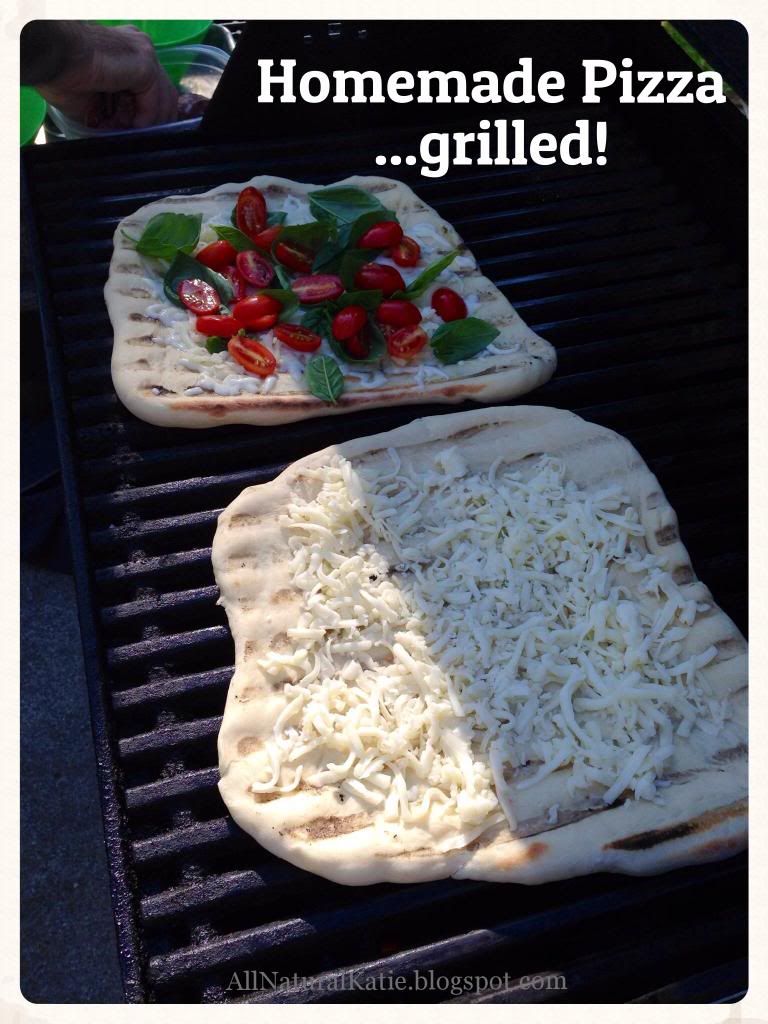
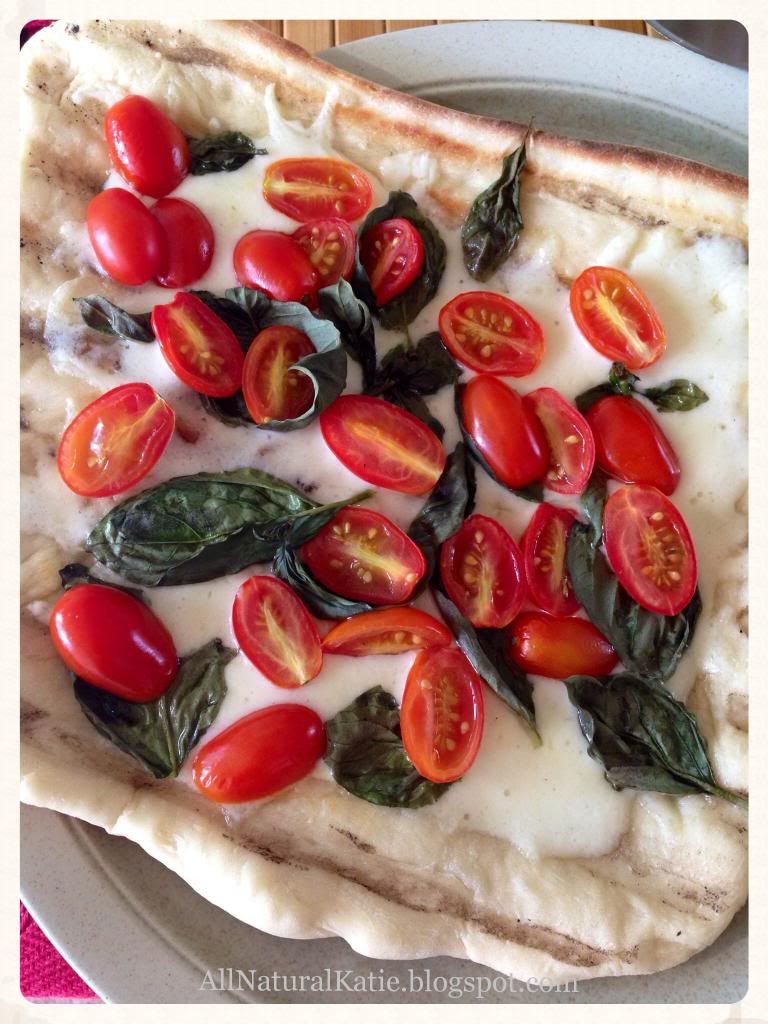
Homemade Grilled Pizzas
With homemade pizza crust and a dessert pizza using the freshly picked strawberries from this morning.
>> What does your (realistically) perfect day look like??
Local Strawberry Picking
Family time (with extended family).
Plant Shopping
My personal time.
Homemade Grilled Pizzas
With homemade pizza crust and a dessert pizza using the freshly picked strawberries from this morning.
>> What does your (realistically) perfect day look like??
Labels:
child,
children,
eating,
eco-friendly,
eco-friendly excitement,
family,
food,
friends,
garden,
green living,
healthy,
home,
kids,
kitchen,
local buying,
outside activities,
plants,
summer,
weekend,
yard
Monday, April 28, 2014
How I Save the Bees [#CTWW]
I have always been scared of bees because of the fear of getting stung. I remember walking through a grassy field when I was a kid and getting stung on the bottom of my foot. Ouch! As I have grown into an adult and started to question more of the world around me, I realized there is no need to be afraid of bees. Society makes us think that bees are dangerous. People always seem to run away from them. If you leave the bees alone, they will leave you alone. I tended to the tomato container garden behind the purple cone flowers being frequented by huge bumble bees with no stings. The buzz of the bumble bees actually became comforting for me.
Let's change our perception of bees to being the source of our food. Bees pollinate the majority of food crops in the world. Therefore, the decline of bees should alarm everyone. What foods will we lose if the bees are not around to pollinate the majority of worldwide crops?
This week's challenge:
As the gardening bug has already bit me for this season, I have been buying plants and planting, and buying and planting. I have spent a lot of time outside during the past week. As I do the daily "garden and yard tour," I have made notes about where I can apply the above actions to protect bees. Below, I cover what actions I have already implemented and the actions I am planning on implementing in the coming month.
Native, Flowering Plants
Every year, I purchase a 3-5 plants to plant in the garden bed in front of the house. I focus on perennial, cold temperature tolerant, flowering and deer resistant plants. A variety of different colored and sized flowers is important to attract different bees.
To Do - start a flower garden in the back yard, close to the vegetable garden. The blackberry and newly planted blueberries bushes also need some bees. Maybe I can add some flowering plants to the herb garden.
Question - how can I tell if the flowering plants are hybrid or not? I have been able to find some heirloom vegetable plants, but how do I know if the Shasta daisy or the phlox is a hybrid or not?
Vegetable Garden
Check! Vegetable garden, herb garden, blackberry and blueberry bushes in the back yard. Tomato container garden in front of the breezeway.
To Do - plant more herbs in the front garden bed (edible garden). They are deer resistant and edible.
To Do - expand the container garden in front of the breezeway is companion plants for the tomatoes.
To Do - add a water feature to provide clean source of water for bees.
Dead Trees and Plants
There is an area behind the back fence between us and the house behind us. Honeysuckle, wild grape vine, weeds and other random plants provide a natural habitat for animals, critters, and bugs. Whatever is too big for the compost or will take a long time to break down goes over the fence.
Chemical Free House and Yard
A bucket a day keeps the weeds away! I have reinstated the daily weed pulling, at least until I get most of them knocked down. I stopped using chemicals in the yard 3.5 years ago and after a couple of years of not pulling weeds, we have grown super weeds in the yard. Luckily, weed pulling is therapeutic and relaxing for me, so I have been spending 30-60 minutes outside during baby's naps pulling weeds.
>> Are there any features of your garden or yard that help to protect and sustain the bee population??
Let's change our perception of bees to being the source of our food. Bees pollinate the majority of food crops in the world. Therefore, the decline of bees should alarm everyone. What foods will we lose if the bees are not around to pollinate the majority of worldwide crops?
This week's challenge:
This week, take action to protect honey bees. Please choose at least one action from the following list:
- Plant at least one native, flowering plant in your yard. Avoid hybrid plants ... they don't produce enough nectar or pollen and are useless to bees and other pollinators.
- Plant a vegetable garden.
- Let pests live (natural pest controllers, like Lady Bugs, need them for food).
- Keep your lawn and garden pesticide-free.
- Eliminate chemicals in your home.
- Provide a year-round, clean source of water for bees (rainwater collection, a small garden water feature, bird bath, etc.).
- Leave some dead trees or plants in your yard ... bees will nest in them. Or, place a bee house in your garden.
- Buy organic food.
- Take up beekeeping.
Native, Flowering Plants
Every year, I purchase a 3-5 plants to plant in the garden bed in front of the house. I focus on perennial, cold temperature tolerant, flowering and deer resistant plants. A variety of different colored and sized flowers is important to attract different bees.
To Do - start a flower garden in the back yard, close to the vegetable garden. The blackberry and newly planted blueberries bushes also need some bees. Maybe I can add some flowering plants to the herb garden.
Question - how can I tell if the flowering plants are hybrid or not? I have been able to find some heirloom vegetable plants, but how do I know if the Shasta daisy or the phlox is a hybrid or not?
Vegetable Garden
Check! Vegetable garden, herb garden, blackberry and blueberry bushes in the back yard. Tomato container garden in front of the breezeway.
To Do - plant more herbs in the front garden bed (edible garden). They are deer resistant and edible.
To Do - expand the container garden in front of the breezeway is companion plants for the tomatoes.
To Do - add a water feature to provide clean source of water for bees.
Dead Trees and Plants
There is an area behind the back fence between us and the house behind us. Honeysuckle, wild grape vine, weeds and other random plants provide a natural habitat for animals, critters, and bugs. Whatever is too big for the compost or will take a long time to break down goes over the fence.
Chemical Free House and Yard
A bucket a day keeps the weeds away! I have reinstated the daily weed pulling, at least until I get most of them knocked down. I stopped using chemicals in the yard 3.5 years ago and after a couple of years of not pulling weeds, we have grown super weeds in the yard. Luckily, weed pulling is therapeutic and relaxing for me, so I have been spending 30-60 minutes outside during baby's naps pulling weeds.
>> Are there any features of your garden or yard that help to protect and sustain the bee population??
Labels:
#CTWW,
challenge,
Change the World,
eating,
eco-friendly,
environment,
environmental impact,
food,
fruit,
garden,
green,
green living,
motivation,
outside activities,
pesticides,
plants,
trees,
vegetables,
water,
yard
Monday, November 25, 2013
Preparing For The Winter Months
I have been posting a lot of review and giveaway posts lately, so I thought I would share a personal post. I am grateful to try new-to-me eco-friendly and natural products. Maybe they will inspire gift ideas for the Holidays. In our neck of the woods, the temperatures have fallen and the clouds cover the sun most of the days. The trees have lost all of their leaves. Anyone who goes outside is bundled up tightly. I am glad to see that the neighbors continue to go outside for walks and runs, even with their babies. Aside from spending my days caring for and playing with a baby, keeping the house in order, and trying to get out of the house often, we are busy with the following activities.Winterizing the Yard
I am always a little sad when it is time to winterize the yard because it means that the colder months are here. The garden has been cleaned up. I am letting the plants dry up and will till them under the soil instead of composting. This method will put nutrients back into the soil. I put away the garden hose and watering can into the garage. The rain barrel has also been put up. Bushes have been pruned back. I left some of the leaves that gathered around the front garden bed plants to act as natural mulch for the winter.
Preparing for the Holidays
Working Out Indoors
I cancelled my gym membership a few months ago. Gasp! After having the baby, I preferred to spend time with the baby instead of going to the gym and putting him in the gym's day care. We recently bought a jogging stroller, so I am able to run during the day. My husband found our old Jillian Michael's workout DVDs. I will continue to run outside as long as it is safe with the jogging stroller and transition to the workout DVDs.
Decluttering the House
November and December have become our months for cleaning out clutter and donating old and unused items to Goodwill. We also save items for my parents' neighborhood garage sale in May. Even though we have done a mass decluttering of the house every December for the past 3 years, we always find something that we can donate or pass on to someone else. There is nothing better than getting rid of old and unused stuff that someone can find a use for. Goodwill and Freecycle are the best ways to find a new home for an old or unused item.
I cannot believe this year is almost over. We began the year with me being pregnant and preparing for the arrival of our first baby. We have experienced lots of joys, and some challenges, with this new chapter and we look forward to ending this year on a positive note by spending time with our families.
>> How do you end the year? How are you preparing for the Holiday season??
Labels:
babies,
baby,
challenge,
eco-friendly,
environmental impact,
family,
garden,
green,
green living,
Holidays,
house,
indoor activities,
outside activities,
plants,
rain barrel,
shopping,
vegetables,
winterizing,
yard
Friday, August 9, 2013
Garden: Katie vs. Squirrel
Good potting soil
+ organic fertilizer
+ tomato plants from local nursery
+ ripening fruit
= Big Boy tomato munched by squirrel!
After thinking about it for a few minutes, I decided to cut off the 1/4 eaten by the squirrel and eat the rest myself! The Big Boy tomato was delicious!
I do have bird netting around the front of the pots to keep deer out, but over the past few months, it has gotten a little loose as I go over and under it to pick fruit. My weekend task is to reestablish the bird netting to protect the rest of the fruit.
>> How do you protect your garden and plants from small and big critters??
Labels:
cooking,
eating,
eco-friendly,
environment,
food,
fruit,
garden,
green,
green living,
healthy,
organic,
outside activities,
plants,
produce,
sustainable,
vegan,
vegetables,
vegetarian,
weekend,
yard
Sunday, May 19, 2013
Garden: Planting in Progress
Because of other time commitments this year, I decided not to start anything from seed. The plan: buy plants and sew seeds (snow peas, spinach, carrots, radishes, sunflowers) directly in the ground. I still have a few plants to buy to fill out the space, including eggplant, basil, and whatever else inspires me.
Snow peas and spinach on the left. Peppers and chives on the right.
A transplant from the compost pile! :)
A few small apples on the way, if the apple blossoms were pollinated.
Snow peas and spinach on the left. Peppers and chives on the right.
A transplant from the compost pile! :)
A few small apples on the way, if the apple blossoms were pollinated.
Labels:
compost,
eco-friendly,
food,
fruit,
garden,
green,
green living,
outside activities,
plants,
produce,
sustainable,
trees,
vegetables,
yard
Saturday, March 30, 2013
Garden: Spring Cleaning
Today is a gorgeous day outside. The sun is shinning and the temperature is warming up above 50 degrees. I believe some might call this a perfect day to start prepping the garden and flower beds for the spring and summer. I cut away most of the dried branches and foliage in the Fall, but there were still a few plants that needed a trimming. The compost piles and bin needed some dried material.
The exciting part about trimming in the Spring is that you can see what plants are starting to come up. I love walking around the yard and seeing all the little sprouts. First, this means that warmer weather is almost here. Second, it means that the plants survived the winter yet again (hehe, I have killed some plants in my gardening days). I cannot wait to start planning veggies in the garden in April.
Summer is just around the corner!
>> How do you prep your garden beds??
The exciting part about trimming in the Spring is that you can see what plants are starting to come up. I love walking around the yard and seeing all the little sprouts. First, this means that warmer weather is almost here. Second, it means that the plants survived the winter yet again (hehe, I have killed some plants in my gardening days). I cannot wait to start planning veggies in the garden in April.
Summer is just around the corner!
>> How do you prep your garden beds??
Labels:
compost,
eco-friendly,
environment,
environmental impact,
food,
garden,
green,
green living,
motivation,
motivation. green living,
outside activities,
plants,
produce,
trees,
vegetables,
yard
Wednesday, November 21, 2012
Wordless Wednesday - Final Harvest
Besides the carrots, the rest of the harvest from the final clean-out of the garden was beets and herbs. Well, more like lots of beet greens and one little beet. The carrots were absolutely delicious! They reminded me of childhood visits to my grandma's sisters' farm.
Labels:
cooking,
eating,
eco-friendly,
environment,
environmental impact,
farmers market,
food,
frugal,
garden,
green living,
ingredients,
organic,
outside activities,
plants,
produce,
vegetables,
vegetarian,
yard
Saturday, September 22, 2012
Final Thoughts About This Year's CSA
I wanted to write a little bit about our CSA experience this year. Although we had a difficult growing year because of the extremely hot weather and the lack of rain, I still felt great about buying local (within 15 miles) and organic produce. My husband and I expected more from the CSA, but we did accept the risk with the Farm and it was "one of those" growing seasons. Either way, I am hooked on local farms. Forgot the farmer's market. I want to go straight to the farm!
A few weeks ago, the CSA completed their weekly pick-ups, but opened up the fields for "you pick." So, I went picking! Twice already! To tell you the truth, I would have rather done the you pick all season. Being out there in the field, looking for something green, red, or purple is very exciting, but also very relaxing. No one else is around (unless you have friends or family with you). There are not shopping carts. No announcements over the loud speaker. No one else trying to get in line at the farmer's market. Just peace and quiet! You really learn a lot of about how to pick produce at the right time.
Two out of the four remaining fields have already been mowed oven, but there are still some items left: cherry tomatoes, eggplant, bell peppers, hot peppers, mustard greens, arugula, and greens. I hope to get at least one more picking in before they mow over the remaining fields. Please enjoy the photos below from my last two "you picks."


Trip 2 - Tomatoes, bell peppers, hot peppers, greens, arugula, mustard greens
>> If you were part of a CSA this year, how did it do? If you were not part of a CSA, would you ever consider joining?
Labels:
community,
csa,
eating,
eco-friendly,
environmental impact,
food,
garden,
green living,
ingredients,
local buying,
outside activities,
plants,
produce,
sustainable,
yard
Subscribe to:
Posts (Atom)